
An Introduction to Flooring Over Limecrete
Installing a limecrete floor is often one of the most important stages in renovating an older property. Whether you are restoring a listed building, renovating a period cottage, or improving a traditional home with modern insulation and underfloor heating, choosing the right floor finish is just as important as selecting the limecrete system itself.
One of the most common questions homeowners, builders and architects ask is, what flooring can actually be laid on top of limecrete?
The good news is that limecrete is an incredibly versatile flooring system. Once fully cured, it can support a wide variety of floor finishes, including natural stone, porcelain tiles, ceramic tiles, quarry tiles, timber flooring and even polished finishes. However, not every flooring material performs in exactly the same way, particularly within older buildings where breathability and moisture management remain important considerations.
Unlike modern concrete floors, limecrete is designed to work as part of a breathable floor system. Rather than trapping moisture beneath an impermeable slab, it allows water vapour to move naturally through the floor and evaporate safely. This makes limecrete particularly well suited to heritage properties, solid wall buildings and homes where maintaining the natural moisture balance of the building is essential.
If you’re currently renovating an older property and considering replacing an existing concrete floor, our guide to replacing a concrete floor with limecrete explains the process in more detail before choosing your finished floor.
The floor finish you choose can influence not only the appearance of the room, but also the overall performance of the floor. Some materials complement the breathable nature of limecrete exceptionally well, while others may reduce some of its moisture-regulating benefits if the wrong products or installation methods are used.
This guide explains the most suitable flooring options for limecrete floors, how each performs, and what should be considered before making your final decision.
Why Your Choice of Flooring Matters
When people think about flooring, they often focus on aesthetics. Colour, texture, durability and maintenance are all important factors, but with limecrete there is another consideration that is often overlooked: how the finished floor works with the breathable construction beneath it.
Unlike conventional concrete slabs, a limecrete floor forms part of an integrated floor system. Each layer performs a specific function, from supporting structural loads and improving insulation to allowing moisture to move naturally through the construction.
The finished floor becomes the final layer within this system.
This means the flooring material should not simply be selected because it looks attractive. It should also be appropriate for the type of property, the intended use of the room and the overall floor construction.
For example, a listed cottage with solid stone walls behaves very differently from a newly built extension. While both may incorporate limecrete flooring, the most suitable floor finish may differ depending on factors such as moisture movement, heating requirements and the character of the building.
Fortunately, limecrete provides excellent compatibility with many traditional and modern floor finishes, giving homeowners considerable flexibility without compromising the performance of the floor system.
Understanding Breathability
Before comparing different flooring materials, it is helpful to understand why breathability is such an important part of limecrete construction.
Traditional buildings throughout the UK were generally built using materials that naturally regulate moisture. Lime mortar, lime plaster, timber and solid masonry all allow small amounts of water vapour to move through the building fabric and evaporate gradually.
For centuries this approach worked remarkably well because every component of the building behaved in a similar way. Moisture entering from the ground or surrounding environment could escape naturally without becoming trapped inside walls or floors.
Modern construction often takes a different approach. Concrete slabs, plastic damp proof membranes and impermeable finishes are designed to prevent moisture movement altogether. This works effectively in buildings that have been designed around these materials from the outset.
Older buildings, however, were never intended to function this way.
Introducing impermeable materials into traditional construction can sometimes alter the way moisture moves through the building. Rather than evaporating harmlessly through the floor, moisture may instead migrate into surrounding walls, where it can contribute to damp patches, salt deposits and deterioration of historic finishes. You can learn more about this in our guide explaining why concrete floors can cause damp problems in old houses.
A breathable limecrete floor avoids this problem by allowing moisture vapour to continue moving naturally through the floor construction.
The choice of floor finish should therefore complement this behaviour wherever practical. While not every floor covering needs to be completely vapour permeable, understanding how different materials interact with a breathable floor system allows better decisions to be made during renovation.
Factors to Consider Before Choosing a Floor Finish
There is no single flooring material that is perfect for every limecrete floor. The right choice depends on the age of the building, how the room will be used, whether underfloor heating has been installed and, in some cases, whether preserving the breathable nature of the floor is an important consideration.
Rather than focusing solely on appearance, it is worth thinking about how the finished floor will perform over the coming decades. A kitchen that sees constant foot traffic has very different requirements to a bedroom in a listed cottage, even if both are built on the same limecrete floor.
Breathability
If you’re renovating a period property or listed building, breathability should usually be one of the first things you consider.
Natural materials such as limestone, slate, quarry tiles and terracotta have been used in traditional buildings for centuries and work particularly well with breathable limecrete floors. They allow the floor system to continue performing as intended while complementing the character of older properties.
That doesn’t automatically rule out modern flooring products. Porcelain, engineered timber and other contemporary finishes can all be suitable, but it’s important to think about how they fit into the overall floor construction, particularly where moisture movement remains a key consideration.
Underfloor Heating
Limecrete and underfloor heating are often installed together, so it makes sense to choose a floor finish that allows the system to perform efficiently.
Dense materials such as natural stone, porcelain and ceramic tiles transfer heat particularly well, helping warmth move quickly from the floor into the room. Timber flooring can also work successfully, although thicker boards naturally provide more insulation and may slow the transfer of heat slightly.
If underfloor heating forms part of your project, it’s worth considering the floor finish and heating system together rather than treating them as separate decisions.
Durability
Every room places different demands on a finished floor.
A busy family kitchen or entrance hall benefits from hard-wearing materials that can cope with muddy boots, dropped pans and constant foot traffic. Bathrooms require flooring that performs well in damp conditions, while living rooms and bedrooms often place greater emphasis on comfort and appearance.
The good news is that a properly cured limecrete floor provides a stable base for all of these environments, allowing you to choose a finish that suits the way the space will actually be used.
Maintenance
Some homeowners are happy to carry out occasional maintenance if it means achieving a particular look, while others would prefer a floor that requires little more than regular cleaning.
Natural stone may benefit from periodic sealing, depending on the material, while timber floors can require refinishing over time to keep them looking their best. By comparison, porcelain tiles, laminates and many LVT products are generally very easy to maintain, making them popular choices for busy households.
Thinking about maintenance at the beginning of the project often prevents disappointment later, particularly if the flooring will be installed throughout large areas of the home.
Style and Character
Finally, think about how the flooring complements the building itself.
Large limestone flags can look perfectly at home in a Georgian townhouse, while reclaimed quarry tiles may be a better fit for a traditional farmhouse or cottage. Contemporary extensions often suit large-format porcelain tiles that create a clean, modern appearance while still benefiting from the performance of the limecrete floor beneath.
One of the biggest advantages of limecrete is its versatility. Whether your preference is natural stone, timber or modern porcelain, there is usually a flooring solution that suits both the building and the way you want to live in it.
Natural Stone Flooring
Natural stone is widely regarded as one of the finest flooring options for limecrete floors, particularly within traditional and heritage properties. It has been used for centuries in homes, churches and historic buildings throughout the UK, making it a natural partner for breathable lime-based construction.
Stone Federation Great Britain provides guidance on the selection, specification and use of natural stone within UK construction and heritage projects.
Stone flooring offers a timeless appearance that improves with age. Unlike many manufactured flooring products, natural stone develops character over time, making it especially popular in period renovations where authenticity is important.
From a practical perspective, stone also performs exceptionally well with limecrete.
Its density allows heat from underfloor heating systems to pass efficiently into the room, while its durability means it can last for generations with relatively little maintenance. Many historic stone floors that are hundreds of years old remain in excellent condition today, demonstrating just how robust this material can be when properly installed.
Different types of natural stone each offer their own appearance and characteristics.
Limestone remains one of the most popular choices due to its warm colours and traditional appearance.
Slate provides a harder-wearing surface with a distinctive texture that suits both traditional and contemporary interiors.
Sandstone offers subtle variation in colour and works particularly well within country properties.
Travertine and marble are also sometimes selected where a more decorative finish is required, although they are generally less common in heritage renovation projects.
Beyond aesthetics, natural stone complements the breathable principles of limecrete extremely well. When installed using suitable adhesives and compatible installation methods, it allows the overall floor construction to continue performing effectively while providing an attractive and durable finished surface.
For homeowners renovating listed buildings or older properties, natural stone is often considered one of the most sympathetic flooring choices available.
Porcelain Tiles
Porcelain tiles have become one of the most popular flooring choices for modern homes, and they can also be an excellent option for limecrete floors when installed correctly. Their combination of durability, low maintenance and wide range of styles makes them particularly appealing for kitchens, bathrooms, utility rooms and open-plan living spaces.
Manufactured using refined clay and fired at extremely high temperatures, porcelain tiles are denser and less porous than standard ceramic tiles. This makes them highly resistant to wear, staining and moisture, making them suitable for areas of the home that experience heavy foot traffic or regular exposure to water.
One of the biggest advantages of porcelain tiles is the huge variety of designs available. Modern manufacturing techniques allow porcelain to replicate the appearance of natural stone, slate, timber and even polished concrete while offering excellent durability and consistent sizing. This gives homeowners far greater design flexibility without sacrificing performance.
Porcelain also works exceptionally well with underfloor heating systems. Because the tiles conduct heat efficiently, warmth generated within the limecrete floor can transfer quickly into the room, helping to create a comfortable and energy-efficient living environment.
When installing porcelain onto limecrete, however, timing is important. The limecrete should be allowed to cure fully before the finished floor is laid, ensuring the floor has reached an appropriate level of stability and moisture content.
Equally important is the use of suitable adhesives and grouts. Products should be selected specifically for use with lime-based floor systems and underfloor heating where applicable. Following the manufacturer’s guidance and ensuring compatibility between all components of the floor build-up will help deliver a durable, long-lasting installation.
For homeowners seeking a contemporary appearance while still benefiting from the breathable performance of a limecrete floor system, porcelain is often one of the best all-round flooring options available.
Ceramic Tiles
Ceramic tiles share many of the same advantages as porcelain, although they are generally lighter, slightly more porous and often more affordable. They have been used in homes for generations and remain a practical flooring solution for many residential applications.
Available in an enormous range of colours, patterns and finishes, ceramic tiles can suit everything from traditional cottages to modern extensions. They are particularly popular in bathrooms, kitchens and entrance halls where easy cleaning and moisture resistance are important.
Like porcelain, ceramic tiles perform well with underfloor heating because they transfer heat efficiently from the limecrete floor into the room. Once installed, they provide a hard-wearing surface that requires very little ongoing maintenance beyond regular cleaning.
Although ceramic tiles can be laid over limecrete successfully, it is important that the floor has cured sufficiently before installation begins. Correct preparation of the substrate and the use of compatible adhesives will help ensure the finished floor performs reliably for many years.
For homeowners looking for a balance between appearance, durability and affordability, ceramic tiles remain an excellent choice.
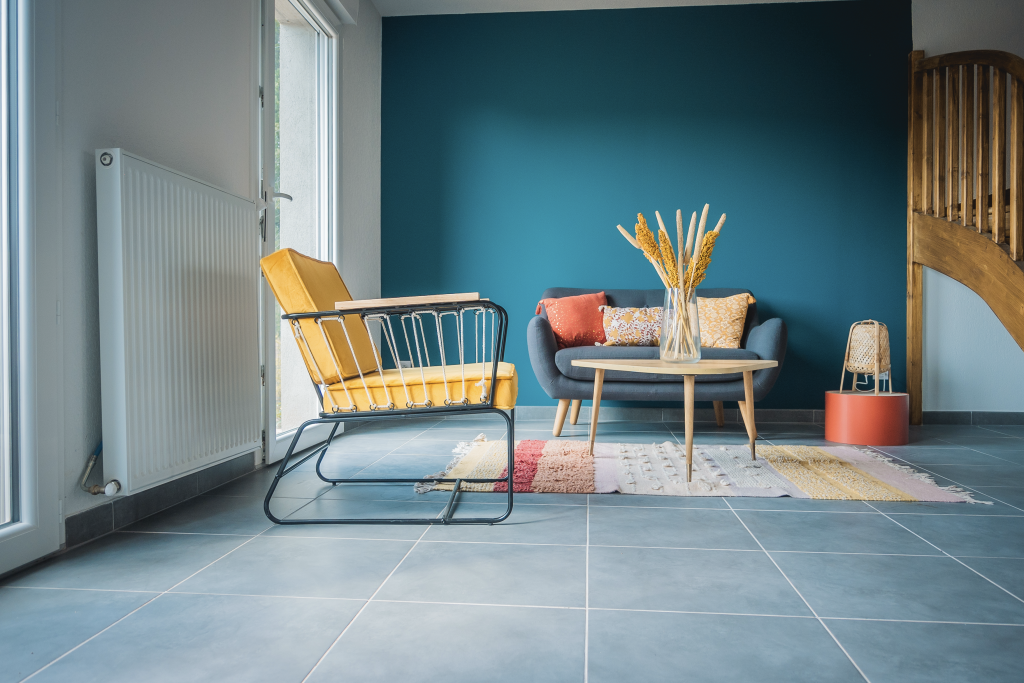
Quarry Tiles
Quarry tiles have been used in British homes for centuries and are closely associated with traditional cottages, farmhouses and historic buildings. Their rich earthy colours and timeless appearance make them one of the most authentic flooring choices for limecrete floors.
Despite the name, quarry tiles are not cut directly from stone. Instead, they are manufactured using natural clay that is fired at high temperatures to produce an exceptionally durable flooring material.
Their traditional appearance makes them particularly well suited to period renovations where preserving the original character of the building is a priority. Many older properties throughout the UK originally featured quarry tiles, making them an appropriate replacement during sympathetic restoration work.
Beyond aesthetics, quarry tiles offer excellent practical performance. They are hard-wearing, long-lasting and perform well alongside underfloor heating due to their density and ability to conduct heat effectively.
Because quarry tiles have traditionally been used alongside breathable construction methods, they complement limecrete exceptionally well. When installed using suitable materials, they allow the overall floor system to continue performing as intended while providing a robust and attractive finished surface.
For listed buildings, conservation projects and older homes, quarry tiles remain one of the most sympathetic flooring options available.
Terracotta Tiles
Terracotta flooring has a distinctive warmth and character that has made it popular in traditional architecture for centuries. Its natural reddish tones create a welcoming appearance that works particularly well in country homes, barn conversions and Mediterranean-inspired interiors.
Like quarry tiles, terracotta is manufactured from natural clay, although it is generally fired at lower temperatures, giving it a softer appearance and a more rustic finish.
Many homeowners choose terracotta because no two tiles are exactly alike. Natural variation in colour and texture creates an authentic floor with considerable visual character.
Terracotta also works well over limecrete, particularly within older properties where breathable construction remains important. However, because terracotta is generally more porous than porcelain, it may require sealing depending on the type of tile selected and the intended use of the room.
When combined with underfloor heating, terracotta provides comfortable, even warmth beneath foot while maintaining the traditional appearance that many homeowners seek during heritage renovations.
With appropriate installation and ongoing care, terracotta floors can provide decades of reliable performance while enhancing the overall character of the property.
Brick Pavers
Brick pavers offer another traditional flooring option that works particularly well with limecrete floors. Often seen in farmhouses, converted agricultural buildings and historic properties, they provide a distinctive appearance that is difficult to replicate using modern materials.
Their strength and durability make them suitable for high-traffic areas such as kitchens, entrance halls and garden rooms, while their natural texture adds warmth and visual interest to the finished floor.
Because brick pavers are manufactured using fired clay, they share many characteristics with quarry tiles, including excellent longevity and compatibility with underfloor heating.
When installed over a breathable limecrete floor using suitable materials, brick pavers create a floor that feels entirely at home within traditional buildings while continuing to support the moisture-regulating principles of the overall floor system.
Their rustic appearance may not suit every interior, but for heritage properties they remain a popular and highly durable choice.
Timber Flooring
Timber flooring offers a completely different aesthetic from stone or tile while still providing an attractive option for many limecrete floors. Its natural warmth, texture and comfort underfoot have made it a favourite choice in homes of every age.
Both engineered timber and solid timber can be suitable over limecrete, although they behave differently and should be selected with care depending on the building and the intended use of the room.
Engineered timber flooring is often the preferred option. Constructed from multiple layers bonded together, engineered boards are designed to be more dimensionally stable than solid timber. This makes them better able to cope with natural fluctuations in temperature and humidity, particularly when installed over underfloor heating systems.
Solid timber remains a beautiful flooring material, particularly within period properties, but because timber naturally expands and contracts with changes in moisture levels, careful consideration should be given to species selection, board width and installation methods.
Both options can produce outstanding results when specified correctly.
One important consideration is thermal performance. Timber acts as a natural insulator, meaning it transfers heat less efficiently than stone or ceramic flooring. This does not prevent it from being used with underfloor heating, but thicker timber boards may slightly reduce the responsiveness of the heating system.
Appearance also plays a significant role in choosing timber flooring. Oak remains one of the most popular species due to its durability and timeless appeal, while reclaimed timber can provide additional character within older buildings undergoing sympathetic renovation.
When selecting timber flooring for a limecrete floor, homeowners should always consider the manufacturer’s guidance regarding moisture content, installation methods and compatibility with underfloor heating systems where applicable.
With the correct preparation and installation, timber flooring can provide a beautiful, comfortable and long-lasting finish that complements both traditional and contemporary interiors.
Carpet
Although hard flooring is often associated with limecrete systems, carpet can also be used successfully in many situations. Bedrooms, living rooms and other spaces where comfort underfoot is a priority may all benefit from a carpeted finish, provided suitable products are selected.
The main consideration when choosing carpet is breathability.
Unlike natural stone or ceramic tiles, some carpet systems, particularly those incorporating thick rubber backings or impermeable underlays, can restrict the movement of moisture through the floor. In modern buildings this may not be an issue, but within traditional properties designed around breathable construction, it is worth considering how the chosen flooring may influence the overall performance of the floor system.
Fortunately, many carpet products are available with breathable underlays that are more compatible with limecrete floors. Homeowners renovating older buildings should discuss suitable options with both their flooring supplier and limecrete installer to ensure the finished floor complements the wider construction.
Carpet also performs well with underfloor heating when the combined thermal resistance of the carpet and underlay remains within the recommended limits. Selecting products specifically designed for use with underfloor heating will help ensure heat continues to transfer effectively into the room while maintaining a comfortable walking surface.
For many homeowners, carpet provides the ideal combination of warmth, comfort and acoustic performance, making it a practical choice for selected rooms within the home.
Vinyl and Luxury Vinyl Tile (LVT)
Luxury Vinyl Tile (LVT) and sheet vinyl flooring have grown significantly in popularity over recent years due to their durability, realistic appearance and ease of maintenance. Modern products are capable of replicating timber, stone and ceramic finishes remarkably well, often at a lower cost than natural materials.
They can also perform well with underfloor heating systems, making them an attractive option for modern homes.
However, when used over a limecrete floor, there are additional considerations that should not be overlooked.
Unlike natural stone or traditional clay-based flooring, vinyl products are largely impermeable. While this does not necessarily prevent their use, it does mean they reduce the vapour permeability of the finished floor surface.
For newer buildings where breathability is less critical, this may not present a significant issue. In older buildings, particularly those relying on breathable construction principles, homeowners should carefully consider whether an impermeable floor finish is appropriate for the property.
The choice of adhesive is equally important, as some products are specifically designed to accommodate underfloor heating and slight substrate movement, while others are not.
Where preserving breathability is a key objective, natural floor finishes generally remain the preferred option. Nevertheless, there are circumstances where LVT or vinyl flooring may still be suitable, particularly in less sensitive buildings or modern extensions that incorporate limecrete flooring.
Can Limecrete Be Left as the Finished Floor?
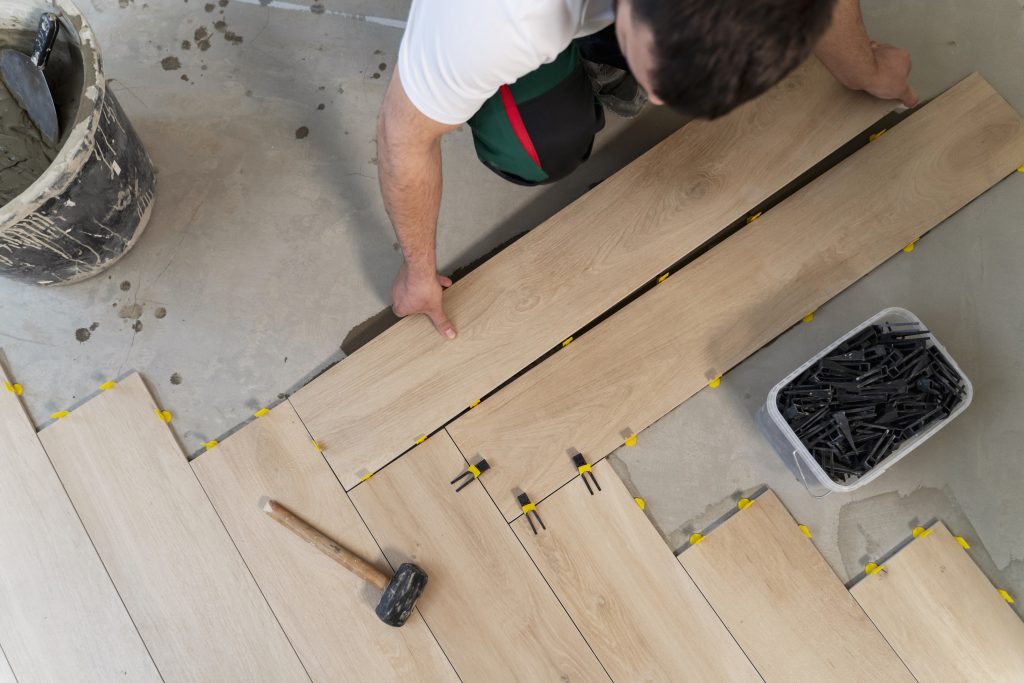
One question that occasionally arises is whether limecrete can simply be polished and left as the finished floor. While this is technically possible in some specialist applications, it is not generally the approach recommended for most residential projects.
As limecrete cures, it naturally develops small, non-structural shrinkage cracks as part of the drying and settlement process. These do not affect the strength or performance of the floor, but they do mean limecrete does not naturally achieve the smooth, uniform appearance that many people associate with polished concrete.
For this reason, most limecrete floors are finished with a breathable floor covering such as natural stone, quarry tiles, terracotta, brick pavers or another compatible flooring material. These finishes not only enhance the appearance of the floor but also protect the limecrete beneath while maintaining the breathable characteristics of the overall floor system.
If you’re considering leaving a limecrete floor exposed, it’s worth discussing the options with an experienced limecrete specialist to understand whether it’s suitable for your project. In most cases, a breathable floor finish will provide the best balance of appearance, durability and long-term performance.
Choosing the Right Adhesives and Installation Materials
Selecting the right floor finish is only part of the process. The products used during installation also play an important role in the long-term performance of the floor.
Adhesives, grouts, levelling compounds and movement joints should all be appropriate for the chosen floor finish and compatible with the limecrete beneath.
Different flooring materials require different installation methods, and manufacturers’ recommendations should always be followed. This is particularly important where underfloor heating is incorporated, as temperature changes can influence the behaviour of both the flooring and the fixing materials.
The Tile Association also publishes best practice guidance on the installation of wall and floor tiles, including the selection of suitable adhesives, grouts and installation methods.
Preparation is equally important.
Limecrete should be allowed to cure properly before any finished flooring is installed. Attempting to lay floor finishes too early can increase the risk of installation problems and may affect the long-term performance of the floor.
The moisture content of the floor should also be checked where recommended by the flooring manufacturer before installation begins.
Professional installers experienced with limecrete floor systems will understand the importance of allowing sufficient curing time and selecting products that are suitable for both the floor finish and the intended environment.
Flooring for Listed Buildings and Heritage Properties
When renovating a listed building or historic property, flooring decisions often extend beyond appearance alone.
Many older buildings were originally constructed using breathable materials that worked together to regulate moisture naturally. Introducing inappropriate flooring during renovation can alter the way the building behaves and may reduce the effectiveness of the breathable floor system beneath.
For this reason, traditional floor finishes remain among the most appropriate choices for heritage buildings.
Natural stone, quarry tiles, terracotta and brick pavers all have long histories within British architecture and complement limecrete particularly well. Their appearance suits period properties, while their physical characteristics work sympathetically with breathable construction.
Timber flooring can also be an excellent choice, particularly where it reflects the original character of the property or forms part of a sympathetic restoration.
Where listed building consent is required, homeowners should always consult the relevant local authority before carrying out significant alterations. Conservation officers may have specific recommendations regarding suitable flooring materials and installation methods.
By choosing floor finishes that respect both the character of the building and the principles of breathable construction, it is possible to achieve a floor that performs exceptionally well while preserving the historic integrity of the property.
Flooring Performance with Underfloor Heating
One of the major advantages of limecrete flooring is its compatibility with underfloor heating systems.
Unlike traditional radiators, underfloor heating distributes warmth evenly across the entire floor area, creating a comfortable indoor environment without hot or cold spots.
The choice of floor finish can influence how effectively this heat is transferred into the room.
Natural stone generally provides some of the best thermal performance because of its density and excellent heat conductivity. Porcelain and ceramic tiles also perform exceptionally well, allowing warmth to pass efficiently from the heating system into the living space.
Quarry tiles, terracotta and brick pavers similarly offer strong thermal performance while retaining their traditional appearance.
Timber flooring can also be used successfully, although engineered timber is generally preferred where underfloor heating is installed due to its increased dimensional stability.
Carpet remains an option, but thicker carpets and dense underlays may reduce heating efficiency by acting as insulation above the heating system.
By considering thermal performance alongside aesthetics, homeowners can select a floor finish that not only looks beautiful but also helps maximise the efficiency of their heating system.
If you’re planning to install underfloor heating as part of your limecrete floor, our downloadable Underfloor Heating Guide explains the installation process, commissioning recommendations and how to achieve the best long-term performance.
Common Mistakes to Avoid
Choosing the right flooring for a limecrete floor is generally straightforward, but several common mistakes can affect the long-term performance of the finished floor.
One of the most frequent issues is installing the floor finish before the limecrete has fully cured. Allowing adequate curing time helps ensure the floor has developed sufficient strength and stability before additional materials are introduced.
Another mistake is selecting flooring products without considering the type of property. A finish that performs perfectly in a modern extension may not be the most appropriate choice for a listed cottage or solid wall building.
Homeowners should also ensure that all installation materials, including adhesives and grouts, are suitable for the chosen floor finish and compatible with underfloor heating where applicable.
Finally, it is important to consider the entire floor system rather than viewing each layer in isolation. Limecrete performs best when every component of the construction has been carefully selected to work together, creating a floor that delivers durability, comfort and long-term performance.
Frequently Asked Questions
Can you tile directly onto a limecrete floor?
Yes, tiles can be laid directly onto a limecrete floor once it has fully cured and is ready to receive the finished floor. Porcelain, ceramic, natural stone, quarry tiles and terracotta are all commonly installed over limecrete.
As with any flooring installation, the correct preparation, curing time and compatible installation materials are essential to achieving a durable, long-lasting finish.
What is the best flooring to lay on top of limecrete?
There is no single answer, as the best flooring depends on the property, the room and how the floor will be used.
Natural stone is often considered the best choice for traditional and heritage buildings because it complements the breathable nature of limecrete and works exceptionally well with underfloor heating.
Porcelain tiles are an excellent option for homeowners seeking a modern appearance combined with durability and low maintenance, while timber flooring provides warmth and character for living areas and bedrooms.
The most appropriate flooring is ultimately the one that balances appearance, performance and suitability for the building.
Can you install porcelain tiles over limecrete?
Yes. Porcelain tiles are one of the most popular floor finishes used with limecrete systems.
Their durability, low water absorption and excellent thermal conductivity make them particularly suitable for kitchens, bathrooms and open-plan living spaces. They also perform extremely well with underfloor heating systems.
Providing the limecrete has cured correctly and suitable installation materials are used, porcelain tiles offer a long-lasting and practical flooring solution.
Is natural stone suitable for limecrete floors?
Absolutely.
Natural stone has been used alongside lime-based construction for centuries and remains one of the most sympathetic flooring materials for breathable floor systems.
Limestone, slate, sandstone and travertine all provide attractive, durable surfaces that complement both traditional and contemporary interiors.
Stone also transfers heat efficiently, making it one of the best flooring choices where underfloor heating has been installed.
Can engineered timber be laid over limecrete?
Yes, engineered timber flooring is commonly installed over limecrete floors.
Its layered construction provides greater dimensional stability than solid timber, making it particularly suitable where underfloor heating is incorporated into the floor system.
Homeowners should always follow the flooring manufacturer’s guidance regarding moisture levels, installation methods and compatibility with heated floors before installation begins.
Is solid timber suitable?
Solid timber can also be used over limecrete, particularly within traditional and period properties.
Because solid wood naturally expands and contracts in response to changes in temperature and humidity, careful consideration should be given to the choice of timber species, board dimensions and installation method.
When correctly specified and professionally installed, solid timber provides a beautiful and long-lasting floor finish.
Can carpet be laid on a limecrete floor?
Yes.
Carpet can be installed over limecrete in many situations, particularly within bedrooms and living areas where comfort is a priority.
Where breathability is important, homeowners should consider breathable underlays and flooring products that are suitable for use with limecrete and underfloor heating where applicable.
Can vinyl or LVT be installed over limecrete?
Luxury Vinyl Tile (LVT) and sheet vinyl can be installed over limecrete in certain situations, although they are less breathable than natural flooring materials.
For modern properties this may not be a significant concern, but within older buildings designed around breathable construction, homeowners should carefully consider whether a more vapour permeable floor finish would be more appropriate.
Professional advice should always be sought where breathability is a key requirement.
Can polished limecrete be left as the finished floor?
Yes.
Many homeowners choose to leave the limecrete exposed as the finished surface.
A polished limecrete floor provides a clean, contemporary appearance while retaining the breathable characteristics of the floor system. It also performs exceptionally well with underfloor heating because of its excellent thermal mass.
Depending on the intended use of the room, a suitable protective finish may be recommended to help improve stain resistance and simplify routine maintenance.
Does the floor finish affect underfloor heating performance?
Yes.
Dense flooring materials such as natural stone, porcelain, ceramic tiles and quarry tiles generally transfer heat very efficiently, allowing underfloor heating systems to perform at their best.
Timber flooring also works well, although it provides slightly greater thermal resistance.
Thicker carpets and insulating underlays may reduce heating efficiency, so products designed specifically for underfloor heating should be selected wherever possible.
Which flooring is best for listed buildings?
There is no universal answer, but traditional materials are generally the most appropriate choice.
Natural stone, quarry tiles, terracotta and brick pavers all have long associations with historic buildings and complement breathable limecrete floor systems particularly well.
The most suitable flooring will depend on the age, character and significance of the property, together with any conservation requirements that may apply.
Final Thoughts
Choosing the right flooring for a limecrete floor is about far more than appearance alone. The finished floor should complement both the practical requirements of the space and the breathable construction beneath it, ensuring the entire floor system continues to perform as intended for many years to come.
The good news is that limecrete provides exceptional flexibility. Whether your preference is the timeless character of natural stone, the practicality of porcelain tiles, the warmth of timber flooring or the rustic appeal of quarry tiles, there are numerous floor finishes that can be installed successfully over a properly designed and cured limecrete floor.
For older buildings and heritage properties, selecting materials that work sympathetically with breathable construction can help preserve the long-term health of the building while maintaining its original character. In modern homes, limecrete also provides an excellent foundation for contemporary floor finishes and highly efficient underfloor heating systems.
Every property is different, and the most suitable flooring will depend on factors such as the age of the building, the room’s intended use, heating requirements and the desired aesthetic. Taking these considerations into account at the design stage will help ensure the finished floor delivers lasting comfort, durability and performance.
If you’re planning a limecrete floor and would like advice on choosing the most suitable floor finish, underfloor heating, insulation or breathable floor construction, our team is always happy to help. Whether you’re renovating a listed building, restoring a period property or working on a new project, you can contact us to discuss your requirements and receive expert guidance tailored to your project.